FOR FIRST-TIME DOG GUARDIANS

A good start,
a life together.

From deciding to adopt to first meals and settling in. Get answers to your questions and learn the care details that are easy to miss.

All guidance is available without signing up.

YOUR FIRST DAYS TOGETHER
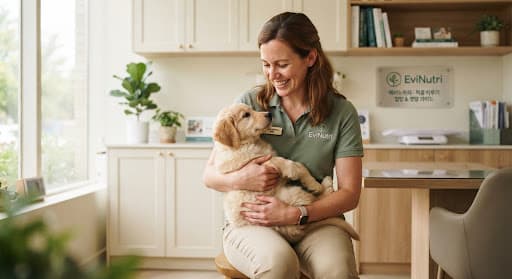
Illustrative image of a person spending time with a dog
Getting to know each other, one day at a time
Start with a questionAdoption, settling in and everyday care
Learn what is easy to missUnderstand why and what to do next

MAKE IT YOURS

Where are you in your journey?

Choose a stage to bring relevant questions forward. All guidance stays available.

Add age and breed, if you know them (optional)

Start here

Start with whichever question is on your mind.

Good to know at this stage

START WITH FOOD

Look at ingredients and intended use, beyond the food’s name

A complete diet for the right life stage

Check whether the food is intended as a complete daily diet, then match life stage and size. Toppers and treats have a different role.

Meat, fat and plant protein do different jobs

Chicken and chicken meal supply protein; chicken fat supplies fat and energy. Pea protein and corn gluten supplement plant protein, so the declared protein percentage is not a meat-content percentage.

A different food can need a different portion

The same 100 g can supply different calories. Calculate a starting portion with the product’s kcal/kg and actual body weight, then adjust using body condition.

More about ingredient roles and food choice

Have a current food or a candidate in mind? Find it to see its actual ingredients and calories.

Search Korean or English names.
01

Deciding whether to adopt

Before deciding to adopt, consider whether your everyday life, time and budget can support ongoing care.

0 of 4 guides viewed

QUESTION 1

Can I have a dog if I work outside the home?

Plan for the time your dog will spend alone, including the journey to and from work.

Settling in and learning toilet routines may need more support than your usual schedule allows.

Find the longest gap in your day

A long evening together does not cover an uninterrupted daytime absence. A trusted visitor or suitable care service can fill that gap.

  • Map the hours without company
  • Ask how the dog has coped alone before
  • Arrange cover for travel and holidays

If being alone causes marked distress, seek veterinary or qualified behaviour support rather than waiting for your dog to get used to it.

Sources
QUESTION 2

Is a puppy easier than an adult dog for a beginner?

A puppy is not automatically easier for a beginner. Match their care needs and habits to the time you can offer.

Puppies need help learning everyday routines. An adult may have a known history, but a new home still takes adjustment.

A smaller dog can still need plenty of help

Think through night-time care, training time and other animals at home. Adult dogs can learn new routines too.

  • List the care you can offer and the situations you find difficult
  • Discuss the individual dog’s habits with the adoption team
QUESTION 3

They seemed quiet when we met. Will they be like that at home?

Being quiet at a first meeting does not mean they will always behave the same way at home.

A dog may be quiet because an unfamiliar place makes them nervous. Ask the adoption team how they usually behave alone and around people or other dogs.

Ask how they react when alone or meeting unfamiliar people

Ask the adoption team, “Do they bark or scratch the door when left alone?” and “How do they react when an unfamiliar person or dog approaches?” Find out when this happens and what helps them feel comfortable, so you can prepare for their arrival.

  • Ask about a typical day and favourite activities
  • Note difficult situations and what has helped
Prepare the food handover too
QUESTION 4

What ongoing costs should I plan for?

Alongside food, allow for preventive care, vet visits, grooming and care while you are away.

A larger dog may eat more, and a coat that needs regular grooming adds another cost. You may also need paid care when your household is away.

Budget for vet visits, grooming and care as well as food

List monthly food and supplies, regular preventive care and grooming, and care during holidays separately. Ask the providers you plan to use for their prices, and set aside money for unexpected vet visits.

  • Ask local vets, groomers and care providers for prices
  • Plan how to cover unexpected vet bills
Sources
Find another stage or question ↑
02

Adoption is arranged

Once you know which dog is joining you, prepare their space and essentials, and gather their food details and health records before arrival.

0 of 4 guides viewed

QUESTION 1

How should I prepare my home before my dog arrives?

Prepare a safe area to explore and a quiet place to rest.

Remove accessible medicines, chemicals and wires, and begin where you can supervise.

A place to rest matters as much as space to explore

Place the bed away from busy walkways and allow uninterrupted rest. Let your dog explore at a comfortable pace.

  • Check floors and low shelves for hazards
  • Choose places for water, meals and sleep
  • Check doors and windows for escape routes
Sources
QUESTION 2

Do I need to buy everything before my dog arrives?

Start with everyday essentials and safety; preferences can come later.

Prepare bowls, a comfortable bed, suitable travel and walking equipment, and cleaning supplies.

Fit and purpose matter more than the size of a shopping list

Picture the trip home, a drink of water and a rest. You do not need an expensive bundle or a collection of supplements to meet those needs.

  • Prepare for the first meal, rest and journey
  • Choose correctly fitting walking equipment
Sources
QUESTION 3

I am not sure about their current food. Should I change it now?

Find out what they eat before deciding why and how to change it.

Keep the exact product, daily amount, meal routine and recent appetite and stool history. Continue any veterinary feeding instructions.

Ingredients and nutritional purpose both matter

A brand or meat name alone does not establish suitability for growth. Check the life-stage and complete-food statement. Treats and complementary foods serve a different purpose from a main diet.

  • Get the product name, amount and feeding instructions
  • Check growth suitability for a puppy
Check the food’s purpose, ingredients and calories
QUESTION 4

I was told they were vaccinated, but there are no records. What now?

Ask for dated records and leave missing details unknown.

Missing paperwork does not establish that vaccination was completed or never given. Bring available records to your vet to plan next steps.

Past treatment and future appointments are different

Keep what was actually given separate from the next planned date. A suggested future month is not a completed treatment today.

  • Request treatment names and dates
  • Ask about registration, ownership details and any changes needed
Explore vaccination and prevention
Sources
Find another stage or question ↑
03

Settling in together

Work through the questions that come with a new routine.

0 of 4 guides viewed

QUESTION 1

They cry on the first night. Should I leave them alone?

Stay nearby to help your dog settle on the first night, and check for discomfort or toilet needs.

You can start with a bed near you or stay nearby, increasing distance as your dog becomes comfortable.

A burst of energy can still mean a puppy needs rest

Night-time zooming does not always call for more exercise. Try a calm environment. Young puppies may also need toilet breaks overnight.

  • Plan a quiet sleeping place and overnight care
  • Notice what helps your dog settle

Seek veterinary or behaviour support for suspected pain or persistent severe distress.

QUESTION 2

They will not eat after coming home. Do they dislike the food?

Notice how they approach food and when the change began before switching products.

A new environment may contribute, but illness or difficulty chewing and swallowing can also affect eating. Contact your vet promptly for reduced appetite, refusal or pain while eating.

Wanting to eat and being able to eat are different

Approaching a bowl but dropping food and showing no interest are useful observations to describe separately. Share the product, last meal and amount eaten.

  • Note when appetite changed and what was eaten
  • Describe chewing, swallowing and other changes to your vet

Do not set a waiting period yourself for a young puppy or a dog with an existing condition. Settling in should not delay care.

QUESTION 3

Why is a previously toilet-trained dog having accidents?

Consider a new routine as well as sudden changes in health.

Your dog may need to learn the toilet location in this home. Offer opportunities and reward success in the right place.

Create opportunities rather than scolding afterwards

Note what happens before an accident, such as waking or eating. Interpreting accidents as mischief can distract from what needs changing.

  • Note timing and activities around accidents
  • Offer more chances to reach the toilet area

A sudden or repeated change in a trained dog also warrants a veterinary check.

Sources
QUESTION 4

How can we start socialization before vaccinations are finished?

Start with comfortable exposure to sounds, people and objects at home. Discuss outdoor activities with your vet using your dog’s health, vaccination history and planned locations.

Socialization includes sounds, people and environments. It is broader than contact with unfamiliar dogs or potentially contaminated places.

Comfortable experiences matter more than collecting encounters

If your dog avoids something or seems frightened, increase distance and reduce intensity. Calm exposure to new sounds near you can be a starting point.

  • Discuss records and planned environments with your vet
  • Plan short experiences at a comfortable distance

Health, vaccination history and local conditions affect suitable activities. There is no single outdoor start date for every dog.

Vaccination and prevention guide
Sources
Find another stage or question ↑
04

Everyday care

Get to know small changes in meals and wellbeing.

0 of 4 guides viewed

QUESTION 1

Why are they gaining weight on the same amount of food?

Look at calories, treats and the whole day’s intake together.

A new food, more treats or less activity can change the picture even when the portion looks the same. Follow weight and body condition too.

The same 100 g can supply different calories

For illustration, 100 g of a 3,500 kcal/kg food supplies 350 kcal; at 4,200 kcal/kg it supplies 420 kcal. These are teaching examples, not product values. A cup also does not weigh the same for every food.

  • Check kcal/kg and weigh the actual portion
  • Include treats and changes in weight

Seek veterinary advice about sudden weight or physical changes rather than only cutting the portion.

Calculate a feeding amount
Sources
QUESTION 2

Do indoor dogs still need preventive care?

Yes. Indoor dogs can still be exposed to mosquitoes and need a prevention plan that accounts for walks and contact with other animals too.

For example, mosquitoes that transmit heartworm can enter homes. Tell your vet about walks, grooming, boarding and animal contact too.

One preventive product does not cover every parasite

Keep the product, date and intended targets together. Do not add overlapping products without knowing what they cover.

  • Gather vaccination and preventive-product records
  • Discuss a plan for your dog’s lifestyle
Explore preventive care
QUESTION 3

They move less than before. Is it just age?

Describe the movement that changed and when it started.

Getting up, stairs and walks give your vet more useful detail than “slowing down”. Behaviour can change even without obvious cries of pain.

Stable weight does not always mean an unchanged body

Fat and muscle condition can change while the scale stays similar. Share changes in shape, meals and activity, and ask for a body-condition assessment.

  • Note specific movements and when they changed
  • Bring eating and weight changes to the appointment

Do not postpone care to collect more records if walking suddenly becomes difficult or painful.

Start your dog’s records
QUESTION 4

They eat well, but have bad breath. Can I leave it?

Eating normally does not tell you the whole story about teeth and gums.

Discuss bad breath, red gums, drooling or chewing changes with your vet. A surface view cannot show everything around a tooth.

Dental treats and dental treatment have different jobs

Home care can help, but it does not replace assessment and treatment of an existing problem. Ask how to introduce brushing comfortably.

  • Describe changes in breath or chewing
  • Ask about suitable home dental care

If the mouth seems painful or handling is difficult, seek care rather than forcing it open or brushing.

Sources
Find another stage or question ↑

Care changes through life

Look at your dog’s changing needs and diet, as well as their age.

Puppy

Adjust meals and routines as your puppy grows, using body condition as well as weight.

Check growth suitability, not only the word “puppy”

An all-life-stage food may be suitable for growth. Check whether large-breed growth is included or excluded when relevant.

Should I increase food whenever weight goes up?
Needs change during growth, but portions should not simply rise in proportion to weight. Use current weight, size and product calories, then follow growth and body condition.
Can a puppy eat an all-life-stage food?
Check that it is a complete food suitable for growth. Large-breed puppies also need suitability for large-breed growth. Ingredients or a product name alone cannot establish this.
When should puppy food change to adult food?
Growth finishes at different times for different sizes. Discuss growth and size with your vet rather than automatically switching every dog on their first birthday.
Choosing food for growth
SourcesAAHA · Age-specific dietsEviNutri · Growth and all-life-stage foodsAAHA · Feeding plans

Adult

A portion that used to work may need another look when everyday life changes.

A feeding table is a starting point to adjust

Dogs of the same weight can differ in activity and body condition. Follow portions, treats and weight trends together.

Can I keep the same portion after neutering?
Energy needs may change. Recalculate with current information and follow weight and body condition, rather than applying one reduction to every dog.
Do treats affect the main food portion?
Treats and training rewards contribute calories too. Note the product calories and amount, not only the count. For healthy dogs, keep treats and extras within 10% of daily calories: up to 40 kcal in a 400 kcal day, for example. This is a calorie limit, not 10% by weight. Follow any prescribed diet instead.
Does a dog eating well also need supplements?
Start with the suitability and completeness of the main diet and the purpose of an extra product. Ingredients can overlap across supplements. Discuss products with your vet when medical conditions or medicines are involved.
Calculate a feeding amount
SourcesAAHA · Nutrition and weight managementAAHA · Feeding plans

Senior

Noticing changes in everyday meals and movement is a useful start.

Look beyond the “senior” label

Senior foods vary. Consider whether the current diet works and whether body condition or medical needs have changed, rather than switching by age alone.

At what age must I switch to senior food?
There is no mandatory age for every dog. A complete adult diet can continue to suit a healthy older dog. Follow any diet prescribed for a medical condition.
Their weight is stable, but their body looks different.
Weight alone cannot distinguish fat and muscle changes. Describe changes in shape, activity and getting up, and ask your vet to assess body and muscle condition.
Should I cut food first if activity drops?
First consider why movement changed. Pain or illness may play a role. Have sudden changes assessed and adjust meals using that advice and actual intake.
Compare foods
SourcesAAHA · Age-specific dietsAAHA · Senior nutritionAAHA · Senior pain management

Your marks stay in this tab for a day. They are not health records.

Bring what you learn into everyday care

Keep meals, weight and vaccination dates together. Your own observations can make changes easier to describe.

Start your dog’s records

Add your dog’s details and sign up to keep records. Existing members can choose their registered dog.

A few things to know

Can I use this after adopting an adult dog?
Yes. Adoption stage and age are separate, so adult and senior dogs can start with settling-in guidance too.
What if I do not know their age?
Leave it unknown and explore all the guidance. Enter dates and weight in the notebook when you have the actual information.
Do I need an account?
You can explore guidance and public tools without one. Sign in when you want to save your dog’s actual records.
Does ticking a card record a vaccination?
No. It only marks the guidance as seen. Actual care is saved in the notebook after confirming the dog and the details.

Sources reviewed 26 September 2026. General care guidance should be adapted to your dog’s health and veterinary advice.

Your first dog | Adoption, settling in & care by age | EviNutri