Ingredient #1Mid
Rice
Rice is a refined carbohydrate source. It usually reads as a starch and energy source rather than a protein driver. It reads as an mid-tier carb source.
Royal Canin
Royal Canin Hypoallergenic is built around rice and hydrolyzed soy protein. Its animal fat and hydrolyzed animal protein are identified as chicken, duck, pork, and turkey derivatives.
This is a prescription diet for a veterinarian-guided allergy food trial, not a meat-rich allergy food.
At 21% protein, 19% fat, and 4,070 kcal/kg, it should not be treated as a low-fat sensitive-stomach or weight-control formula.
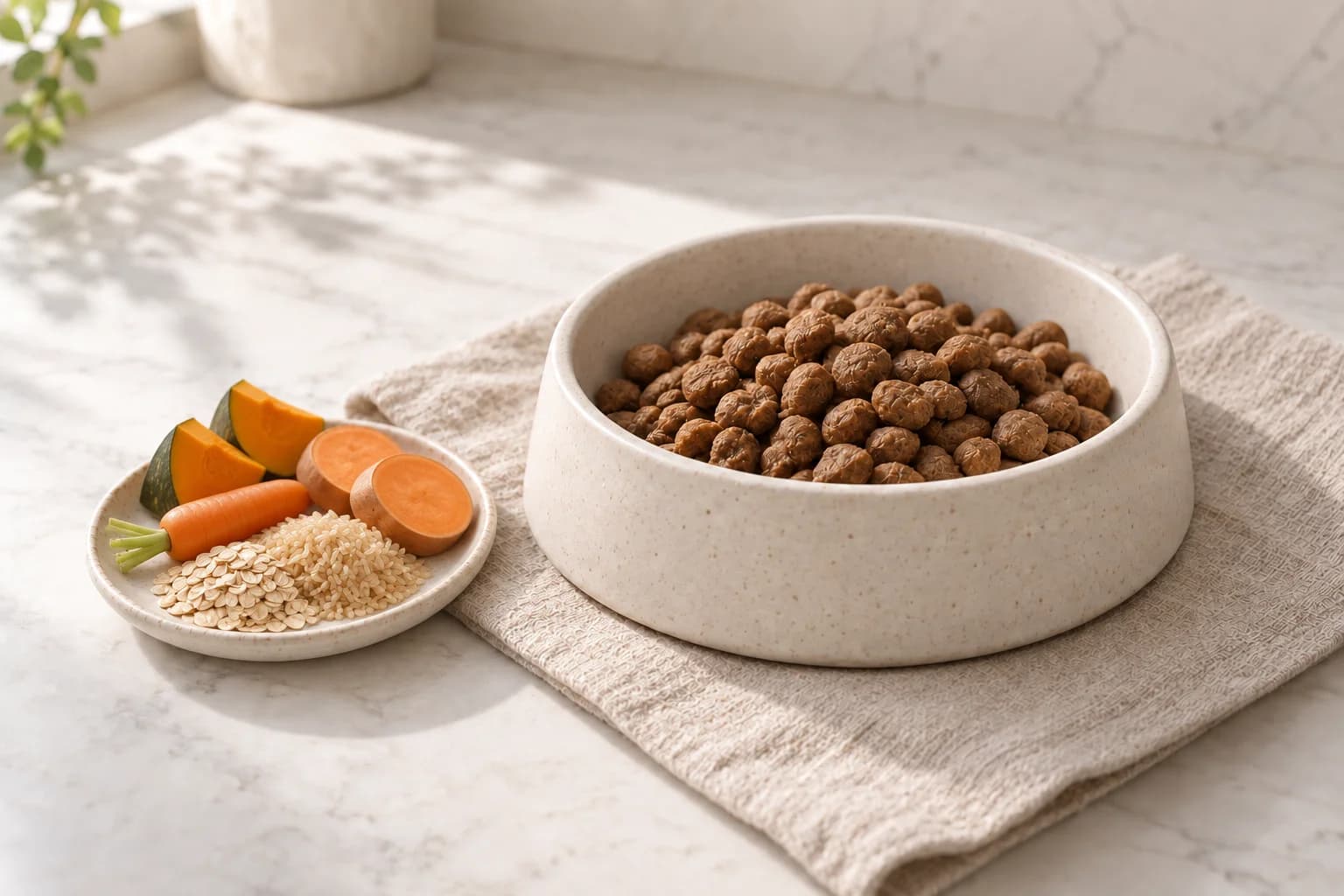
01. NUTRIENT PROFILE
Compare protein, fat and energy density in low, typical and high bands.
This food is on the lower side for crude protein among extruded foods.
This food is on the higher side for crude fat among extruded foods.
This food is on the higher side for calorie density among extruded foods. The same serving can provide more energy, so check portion guidance.
Undisclosed values are not treated as zero.
02. INGREDIENT QUALITY & DISCLOSURE
The analysis uses the registered ingredients. Complete-panel coverage is not verified, so an unlisted ingredient cannot be assumed absent.
Read the listed ingredients below. Complete-panel coverage is not verified here; do not infer that an unlisted ingredient is absent.
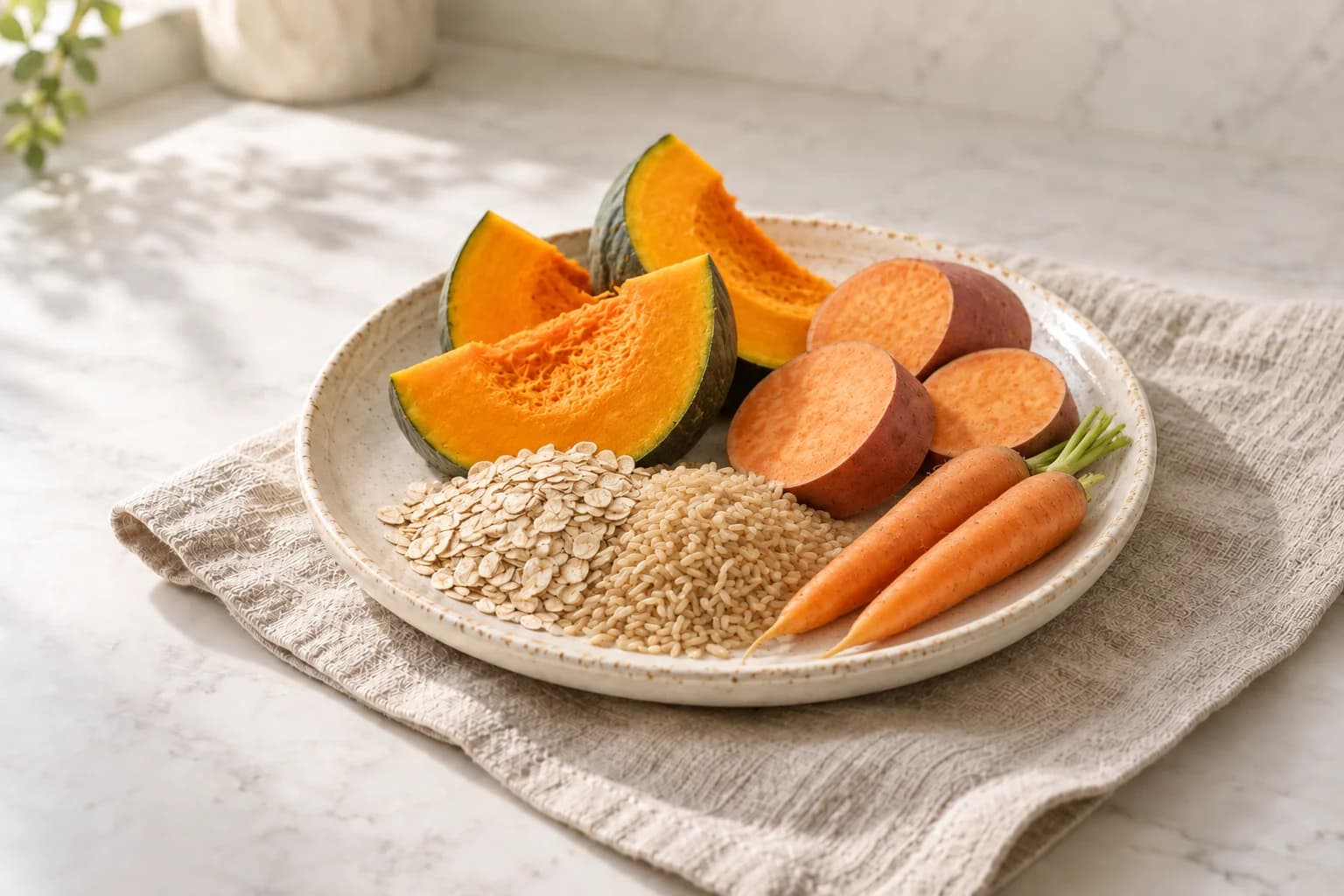
Rice is a refined carbohydrate source. It usually reads as a starch and energy source rather than a protein driver. It reads as an mid-tier carb source.
Soybean Meal (Hydrolyzed Soy Protein) is a processed plant-protein booster. It can lift crude protein without the same animal-protein share, so the animal-protein read should stay separate. It reads as an bottom-tier plant protein booster.
Animal Fat (Chicken, Duck, Pork) is a generic fat source. It supports calories, but transparency is weaker than a named oil or fat. It reads as an mid-tier fat source.
Animal protein · Animal-Derived Protein (Chicken, Turkey) (#4)
Plant protein · Soybean Meal (Hydrolyzed Soy Protein) (#2)
This reads less like a natural meat-forward daily food and more like a therapeutic diet designed to reduce allergy reactions.
If your dog can tolerate other animal proteins, keeping a plant-hydrolyzed diet as a lifelong default is not usually the first choice. Use it under veterinary diagnosis and prescription to check diet response.
03. CHOOSING FOR YOUR DOG
This is a prescription-diet candidate for allergy/skin care. Read purpose fit and veterinary guidance before treating it as a standard star-ranked food.
Prescription purpose: allergy/skin care.
High calorie density remains the clearest trade-off here.
04. COMPARE FOODS
Compare allergy/skin care prescription diets first. For therapeutic diets, clinical fit and veterinary direction matter more than a standard score.
05. MANUFACTURING & DISCLOSURE
Founded in 1968 in France.
There is a usable disclosure baseline, but the public record is still fairly thin.
This brand has a confirmed public recall history, with a recent 2023 mislabeling case in public sources.
May 12, 2026