Ingredient #1Top
lamb
lamb is a named fresh meat ingredient. The animal source is clearly identified. It reads as an top-tier protein source.
Farmina
Farmina N&D Quinoa Digestion Lamb combines lamb, pea starch and dehydrated lamb with quinoa and rice.
It has 25% protein and 12% fat, but 3,746 kcal/kg is not a low energy density, making it a candidate for adults needing less fat while retaining calorie supply.
Pork, egg and herring accompany the lamb, so it is unsuitable for a lamb-only elimination trial.
The Digestion name alone does not establish suitability for recurring digestive symptoms.
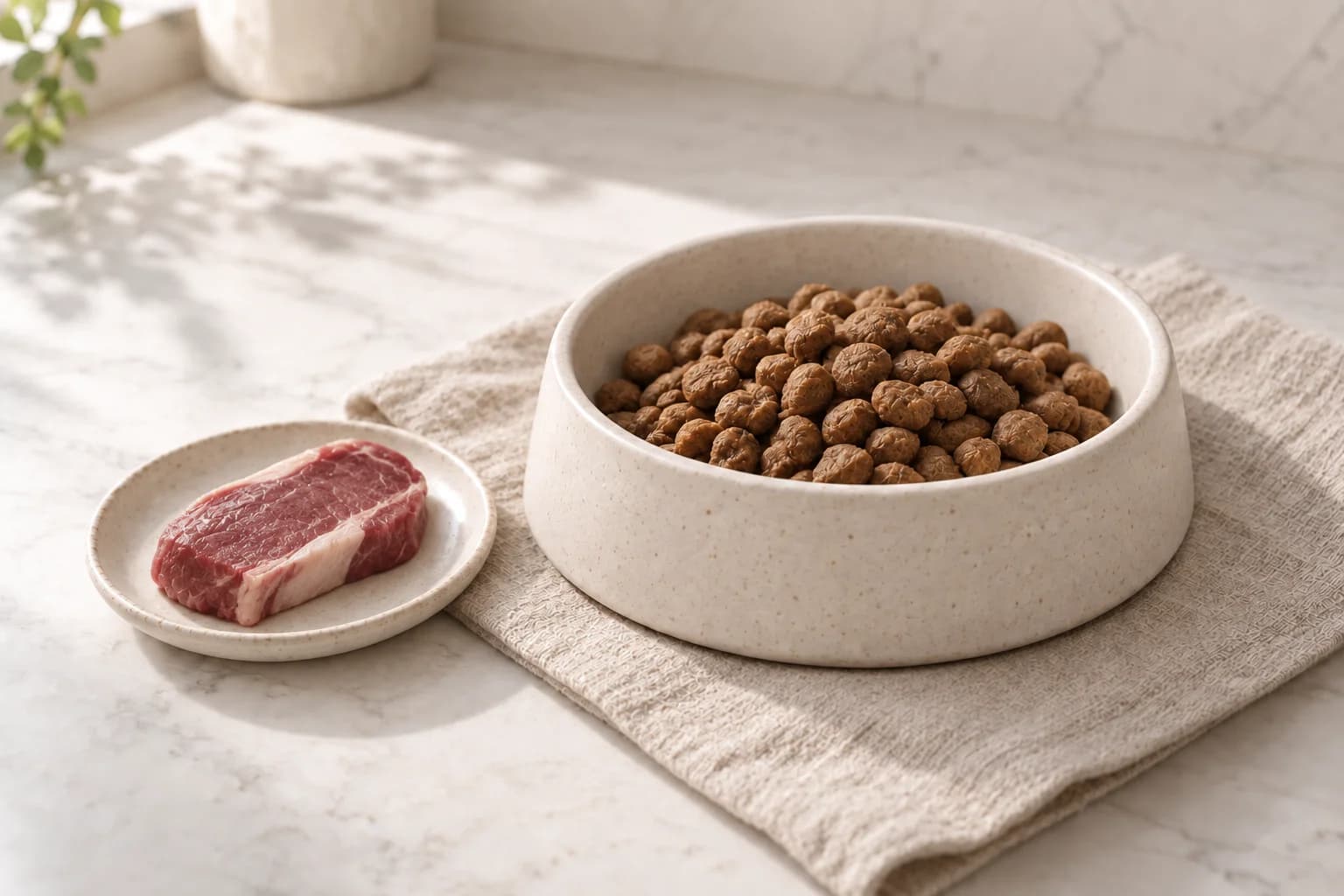
01. NUTRIENT PROFILE
Compare protein, fat and energy density in low, typical and high bands.
This food sits around the typical crude protein range among extruded foods.
This food is on the lower side for crude fat among extruded foods.
This food is on the higher side for calorie density among extruded foods. The same serving can provide more energy, so check portion guidance.
Undisclosed values are not treated as zero.
02. INGREDIENT QUALITY & DISCLOSURE
The analysis uses the registered ingredients. Complete-panel coverage is not verified, so an unlisted ingredient cannot be assumed absent.
Read the listed ingredients below. Complete-panel coverage is not verified here; do not infer that an unlisted ingredient is absent.
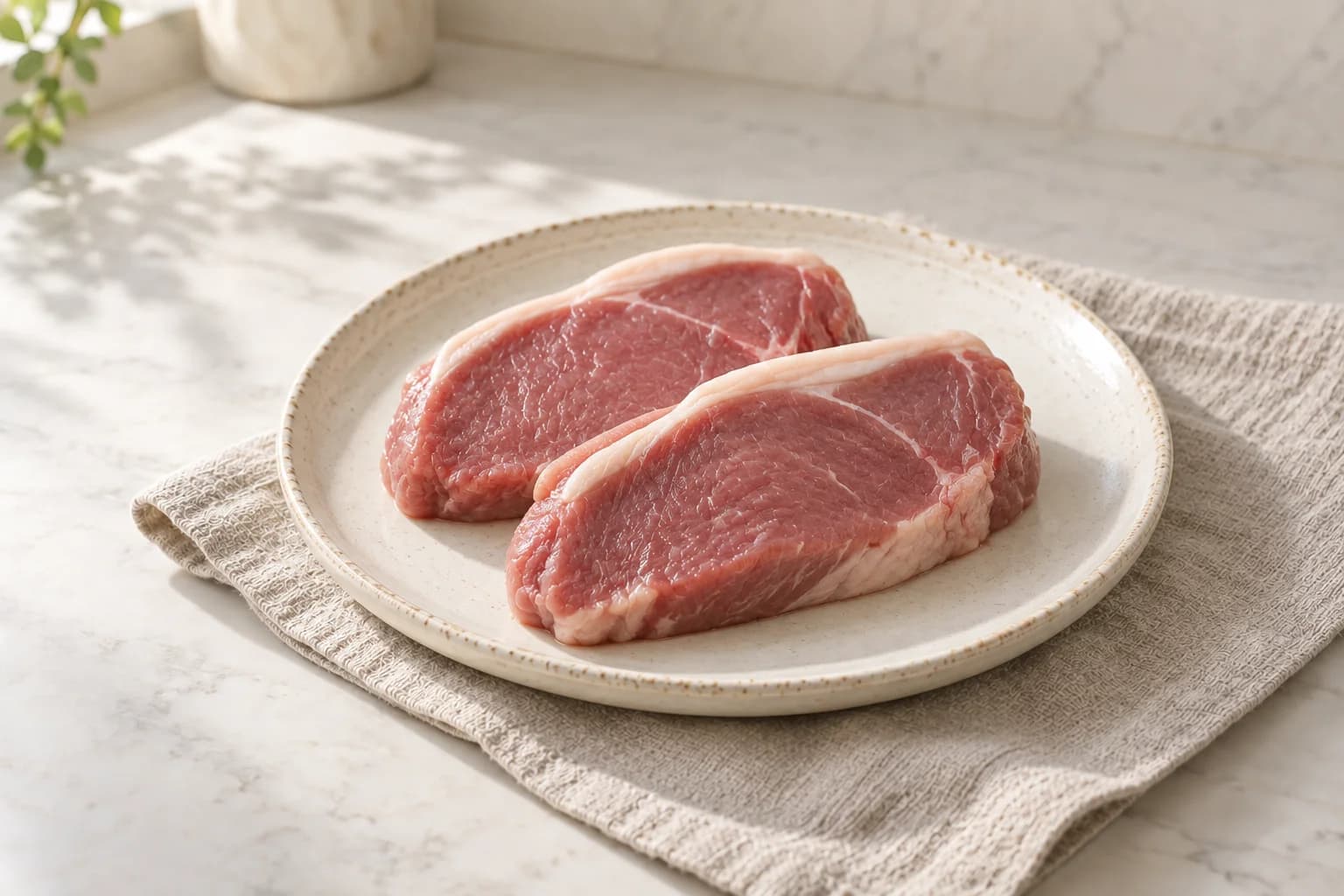
lamb is a named fresh meat ingredient. The animal source is clearly identified. It reads as an top-tier protein source.
pea starch is a refined carbohydrate source. It usually reads as a starch and energy source rather than a protein driver. It reads as an mid-tier carb source.
dehydrated lamb is a species-named dehydrated animal protein ingredient. It is distinct from rendered meal and usually supports a denser animal-protein structure. It reads as an upper-tier protein source.
Animal protein · lamb (#1), dehydrated lamb (#3), dehydrated pork (#7), dried whole eggs (#9), dehydrated herring (#12), hydrolyzed pork liver (#14)
Fresh meat leads the recipe and supplies animal protein, a useful choice point when you prioritize fresh-meat ingredients.
The complete ingredient panel has not been verified, so absence of plant-protein supplements is not confirmed.
03. CHOOSING FOR YOUR DOG
lamb, dehydrated lamb supply animal protein at the start of the ingredient list. pea starch, quinoa seed supply carbohydrate energy. The recipe combines animal protein sources with carbohydrate sources.
chicken fat add fat and energy; fat content is a separate choice criterion from the protein sources.
Across the registered ingredients, multiple protein sources appear, including lamb, pork, egg, herring. If a protein must be excluded, any of these sources can change the decision; the first ingredient alone does not make this a single-protein diet.
Among foods made the same way, protein is typical, fat is lower, and calorie density is higher. This combination provides more energy per gram. Compare it when smaller portions need to supply calories, and adjust grams first for a dog prone to weight gain. Higher calories do not establish a higher animal-protein share. Comparable, but ingredient quality needs caution.
High calorie density remains the clearest trade-off here.
04. COMPARE FOODS
Exact protein-type matches come first, then close protein-family matches fill the comparison.
05. MANUFACTURING & DISCLOSURE
Founded in 1965 in Italy.
Detailed nutrition is visible, but not at a product-level traceability standard.
No recall history was found in the searched public sources for this brand.
May 12, 2026