Ingredient #1Upper
연어분말
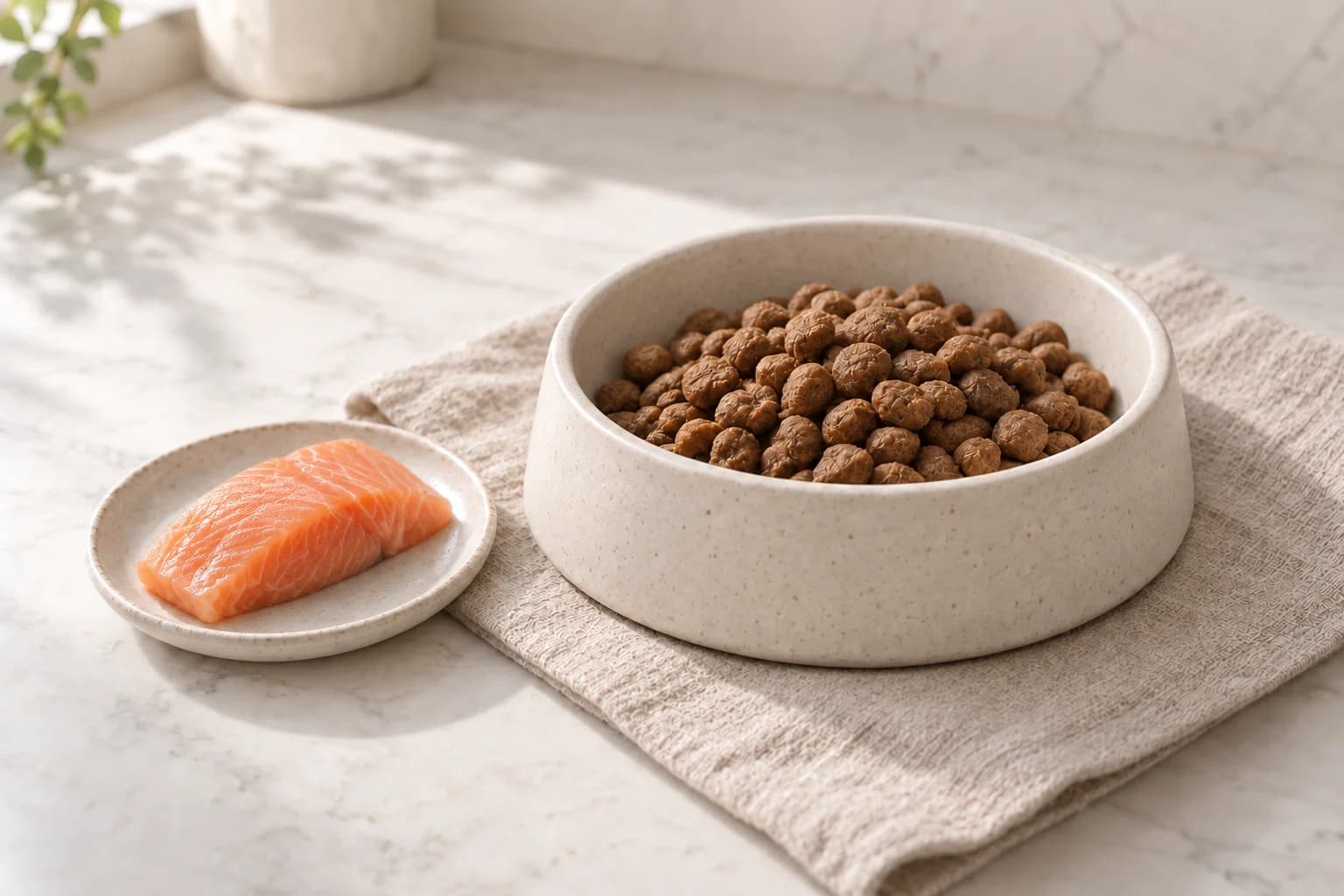
연어분말 is a species-named animal meal ingredient. It is rendered rather than fresh, but the species source is still clearly identified. It reads as an upper-tier protein source.
Dr. Dog
Dr. Dog Grain Free Salmon lists salmon meal, soybean meal and kidney beans first. It can suit grain avoidance when these ingredients are tolerated.
Soybean meal contributes plant protein. Hydrolyzed salmon, beef liver, pollock, shark cartilage and green-lipped mussel are also included, so it does not suit single-protein, beef-free or fish-free feeding.
Energy is 4,250 kcal/kg; adjust portions to body weight and activity.
01. NUTRIENT PROFILE
Compare protein, fat and energy density in low, typical and high bands.
This food is on the higher side for crude protein among extruded foods.
This food is on the lower side for crude fat among extruded foods.
This food is on the higher side for calorie density among extruded foods. The same serving can provide more energy, so check portion guidance.
Undisclosed values are not treated as zero.
02. INGREDIENT QUALITY & DISCLOSURE
This section matters more than usual because the ingredient read is not strong enough to summarize in one line.
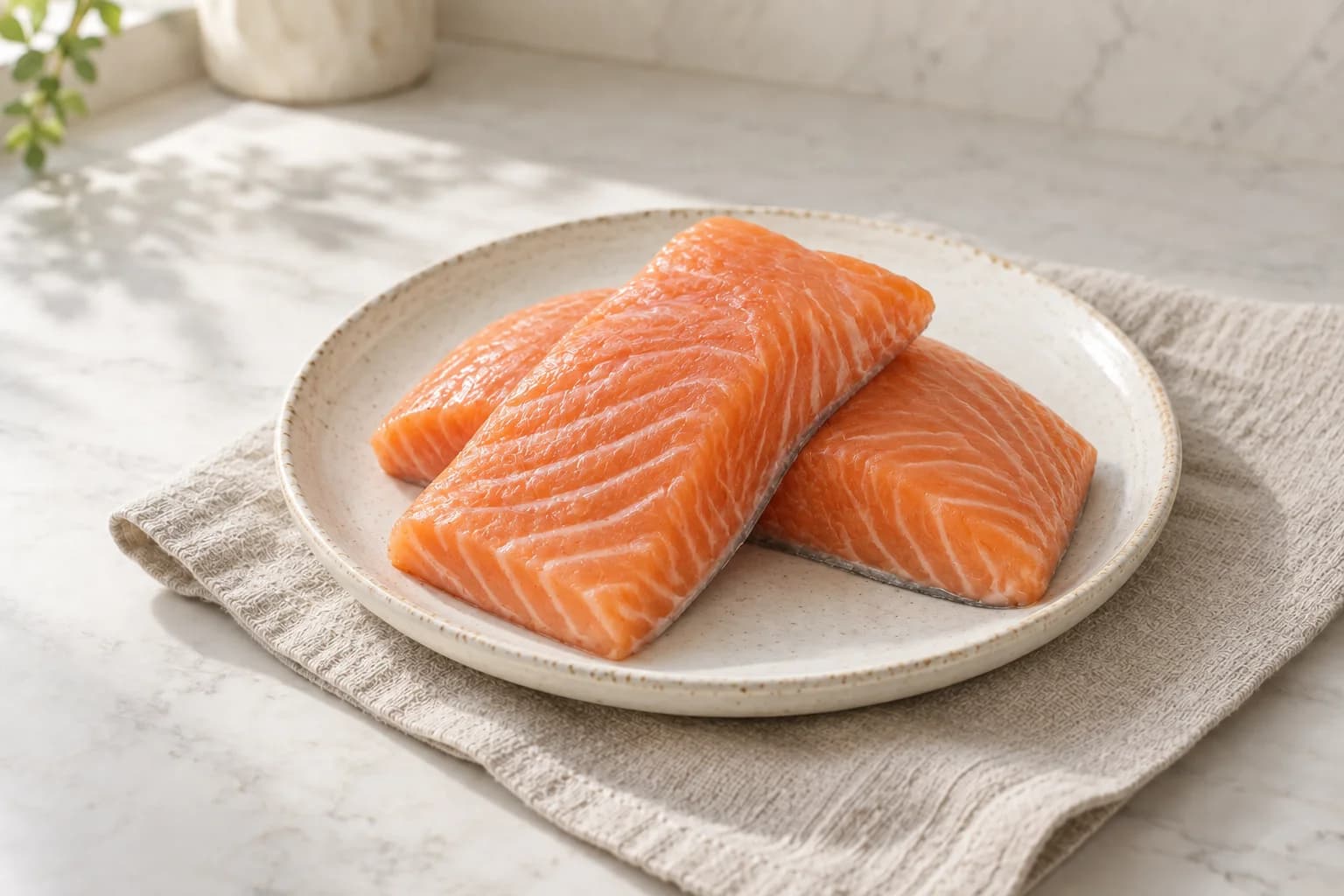
연어분말 is a species-named animal meal ingredient. It is rendered rather than fresh, but the species source is still clearly identified. It reads as an upper-tier protein source.
Soybean Meal is a processed plant-protein booster. It can lift crude protein without the same animal-protein share, so the animal-protein read should stay separate. It reads as an bottom-tier plant protein booster.
강낭콩 is a whole plant-protein ingredient. It is not a processed protein concentrate, but when it appears near the top it can still weaken the animal-protein-led structure. It reads as an lower-tier plant protein booster.
Animal protein · Hydrolyzed Salmon (#8)
Plant protein · Soybean Meal (#2)
Even high crude protein can be strongly influenced by processed plant protein.
This is hard to read as meat-protein centered.
03. CHOOSING FOR YOUR DOG
Named Meal supply animal protein at the start of the ingredient list. Tapioca supply carbohydrate energy. The recipe combines animal protein sources with carbohydrate sources.
Soybean Meal supplement plant protein within the first three ingredients. The crude-protein figure includes both animal and plant contributions. Cellulose supply fiber. For stool or satiety considerations, the disclosed crude-fiber amount adds useful context beyond the ingredient's presence.
Some protein sources are not fully identified, which limits choices that require excluding a specific protein.
Among foods made the same way, protein is higher, fat is lower, and calorie density is higher. Compare this combination when both protein and concentrated energy matter. It can help plan smaller portions, but dogs prone to weight gain should not switch gram-for-gram from a less calorie-dense food.
High calorie density remains the clearest trade-off here.
04. COMPARE FOODS
Exact protein-type matches come first, then close protein-family matches fill the comparison.
05. MANUFACTURING & DISCLOSURE
Founded in 2013 in South Korea.
Only basic guaranteed analysis is visible, so deeper nutrition comparison stays hard to trust.
The English-language public recall sources checked here are not enough to make a confident recall call for this brand.
May 12, 2026